What it does for you
From to From wired to calm, from foggy to clear, from awake to asleep, from drained to restored.
Light and sound from the phone you already own. Eyes closed, headphones on, ten minutes. Here is what changes, state by state, in the words of the people who tried it first.
- 9/10 average score from 250+ people
- No headband, no device
- Personal AI in 14 languages
Pick a state
Which one is you right now?
The programmes are not organised by technique, because nobody wants a technique. They are organised by how you feel now and how you want to feel ten minutes from now.
If this is you
You lie down, and the day keeps replaying.
The body is tired. The head did not get the memo. Sleep sessions walk you out of the day instead of asking you to switch it off.
- First
The shoulders drop. The light and the music settle in around you.
- Then
The replay goes quiet. Warm, dim evening colour, kept under the published limit for light before bed.
- By the end
Nearly asleep. There is no bright screen to switch off.
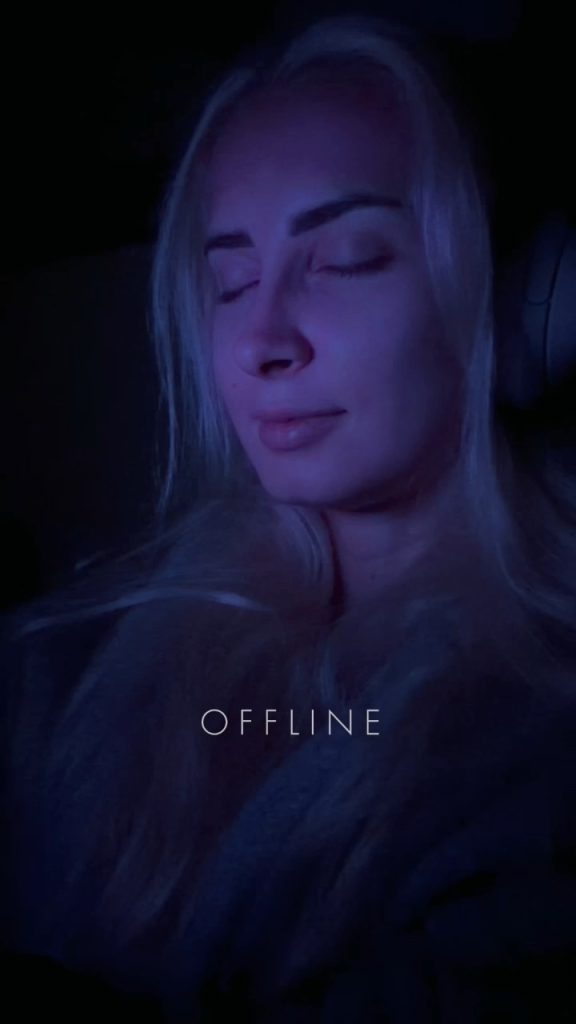
“The best relaxation before sleep.”
If this is you
Wired but drained. On all day, nothing left.
No breathing to learn and nothing to get right. You lie back, close your eyes, and the rhythm does the work you could not make yourself do.
- First
The jaw lets go. Most people feel their shoulders drop within the first two minutes.
- Then
The inner monologue slows. Colour drifts behind your eyelids; the to-do list stops shouting.
- By the end
You come back lighter. Calmer and more present, not sleepy.
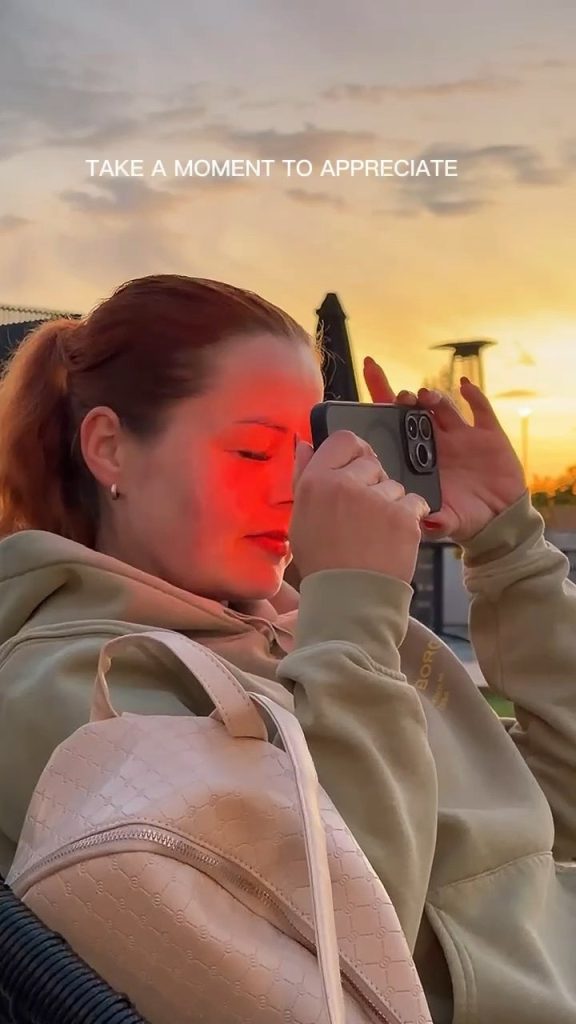
“I’m in shock. It relaxed me so much I forgot about everything. I switched off, straight away.”
If this is you
Brain fog by three o’clock. A fourth coffee is not helping.
Daytime sessions are built differently from evening ones: cooler, brighter colour for a head that needs to come back online.
- First
You stop scrolling. Light and sound, and nothing else asking for your attention.
- Then
The fog thins. Cooler light, the kind shown to lift alertness within minutes.
- By the end
Clear and switched on, without the wired edge of caffeine.

“The Focus session surprised me. I came out feeling clear and switched on, without that wired feeling you get from coffee.”
If this is you
Flat. Running on empty halfway through the day.
Not a nap and not another espresso: a short reset with brighter, warmer colour and music that lifts instead of lulls.
- First
You disconnect. Headphones on, eyes shut, and the room goes away.
- Then
Colour does the lifting. Warm light and music that lifts.
- By the end
Back into your day, with something in the tank again.
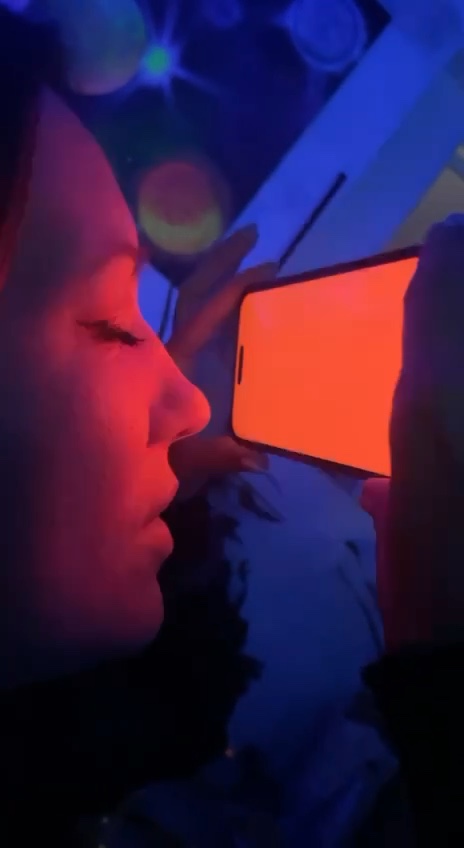
“It’s become my little reset during the day. I put my headphones on, close my eyes, and just disconnect for a few minutes.”
If this is you
The body is done. The head is still running.
After training, a flight or a long week, recovery sessions give the nervous system something steady to settle into, while you do nothing at all.
- First
You lie down and stop. Nothing to do, nothing to follow.
- Then
You let go. Music written for exactly this state.
- By the end
Restored. People describe it as floating, then landing softly.
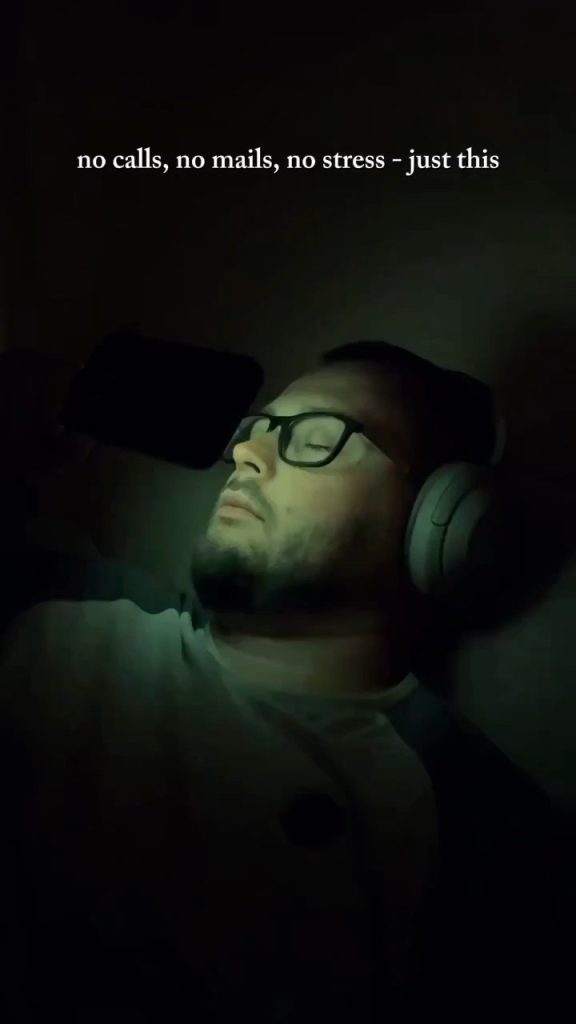
“The first time in my life I’ve felt anything like it. I actually managed to let go and enjoy it.”
The part nobody believes
Eyes shut. You see colour.
The screen pulses at one steady rhythm a hand’s width from your closed eyelids. The light works straight through them. Most people see colour that is not in the room: wheels, lattices, drifting fields. It is a known effect of rhythmic light, first written down two centuries ago by the physiologist Jan Purkinje, and it is different for everyone.
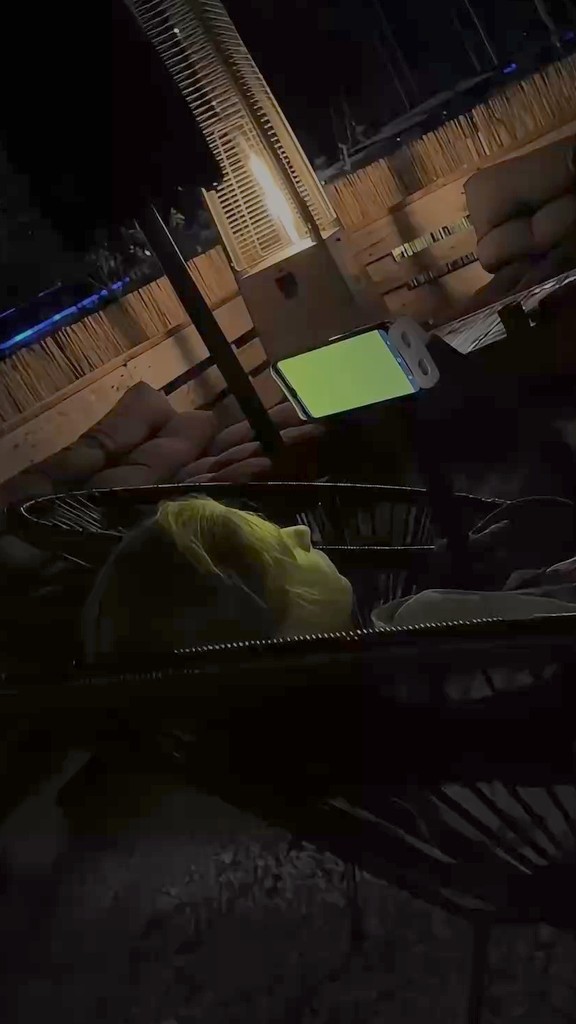
“I had goosebumps the whole time. It’s something magical.”
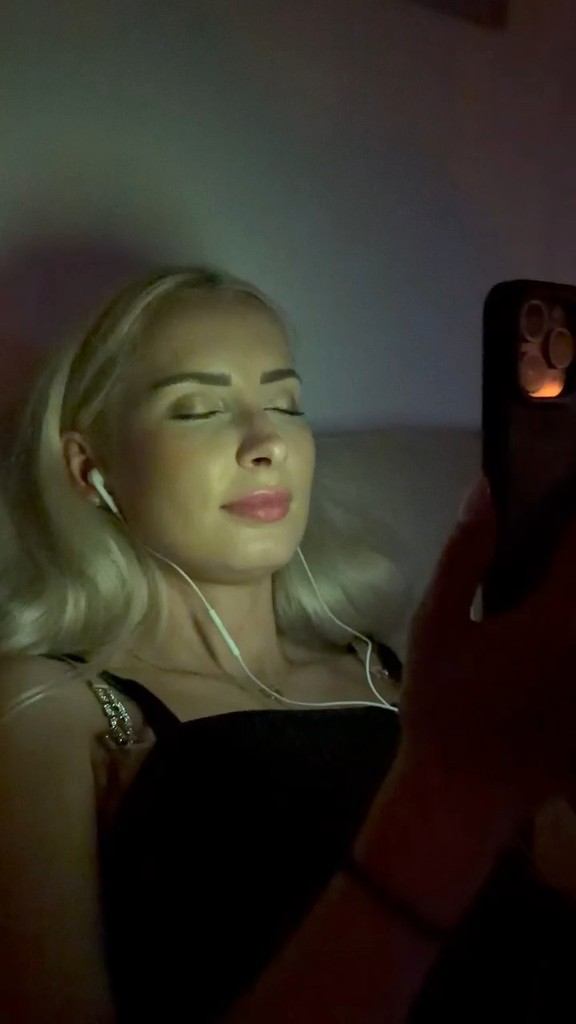
“One of the most surprising things my phone has ever given me.”
Not sure which one you need?
Just say how you feel.
Talk for a minute, the way you would to a friend. The personal AI listens and picks the programme for the state you are actually in, not the one you guessed. It runs on your phone.
English · Eesti · Русский · Deutsch · Español · Français · Italiano · Português · and six more
What people say
They tried it first.

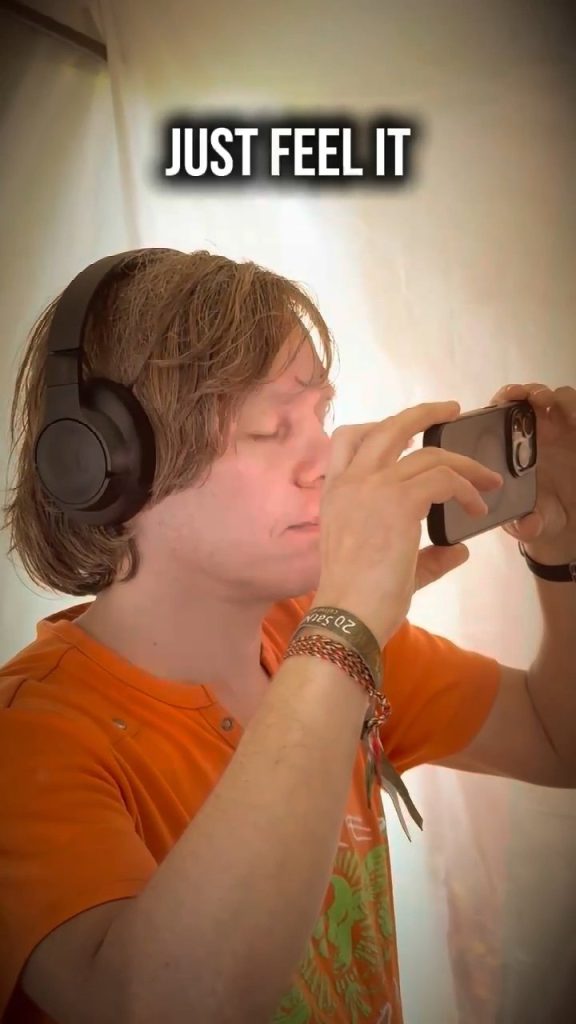

“I’m floating, like I’m asleep.”
“Didn’t expect much at first, but after 10 minutes I felt noticeably calmer and more present.”
No device to buy
The instrument is already in your pocket.
Headbands, visors and strobe lamps are good, and we still use ours. They cost from a few hundred to several thousand dollars. Synmea runs on the screen and headphones you already own.
Safety first
Lines drawn from published thresholds.
- Never more than 13.5 pulses a second, below the 15–25 range where photosensitivity peaks. Enforced in code.
- Eyes closed by default; evening sessions dimmed for the hours before bed.
- A clear warning before your first session. A wellness tool, not a medical one.
Out now
iPhone & Android
Synmea Premium: $69.99/year
Start 14 days freeMonthly $14.99, Lifetime $299.99. Monthly and Yearly start with 14 days free; cancel any time.